Press
In the
press.
Karuna Kumar's work championing regional Indian food — at the supper table and in the restaurants she helps build — as covered by the food and hospitality press.
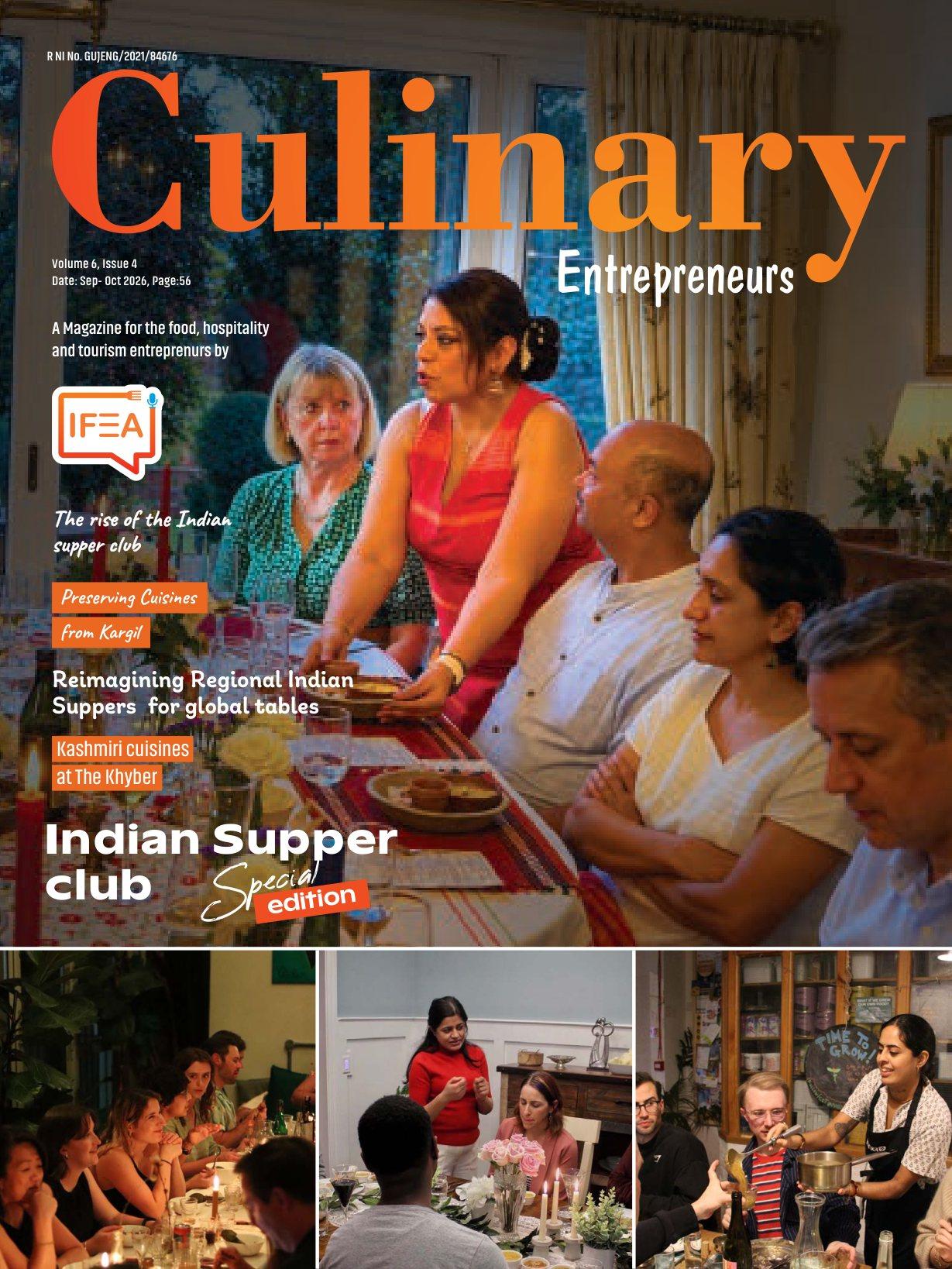
Culinary Entrepreneurs · Vol. 6, Issue 4 · Sep–Oct 2026
Featured · Indian Supper Club Special Edition
Redefining Indian regional food in California
Culinary Entrepreneurs, the magazine for food, hospitality and tourism entrepreneurs, dedicated its Indian Supper Club Special Edition to the cooks reimagining regional Indian suppers for global tables. In a four-page interview, editor Anil Mulchandani speaks with Karuna about Delhi Darling Table, micro-regional menu architecture, and why the future of Indian dining is depth over breadth.
- Publication
- Culinary Entrepreneurs (IFEA)
- Issue
- Sep–Oct 2026, pp. 30–33
- Section
- Global
- Interview by
- Anil Mulchandani, Editor
“One region, one story, one table at a time.”
From the interview
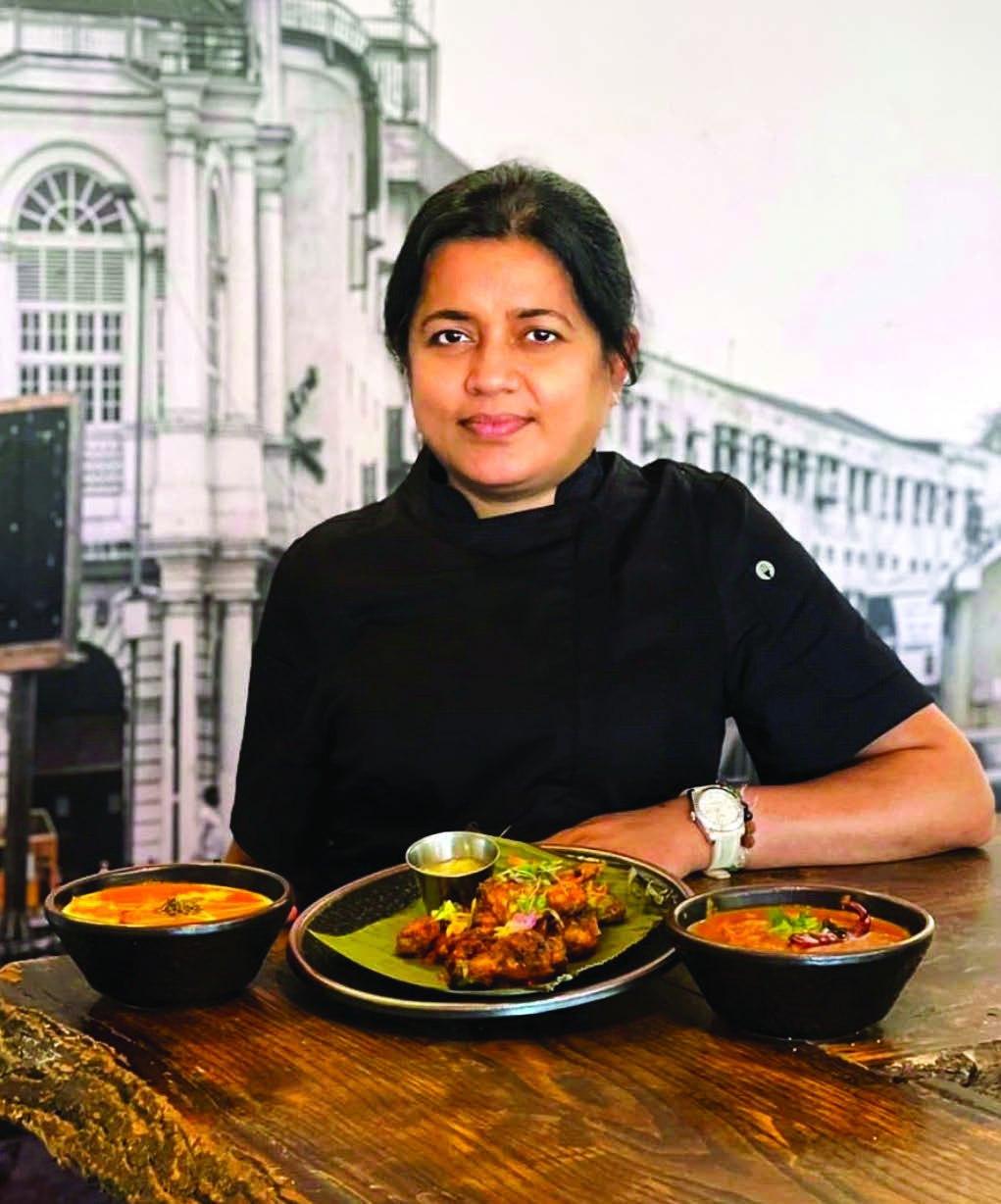

What inspired you to start Delhi Darling?
Having previously owned and operated three successful restaurant concepts, I realized that true hospitality extends far beyond serving good food — it is about crafting an immersive experience. I founded Delhi Darling to help brands, supper clubs and hospitality concepts articulate their visual identity, preserve culinary heritage and structure menus that speak to modern, discerning diners.
What were the highlights of your professional journey?
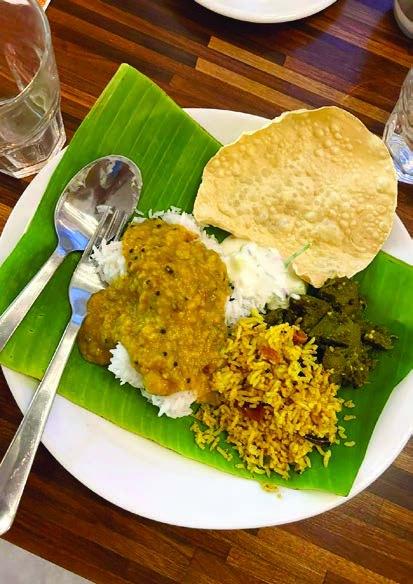
Before I launched my own restaurants, most Indian menus in the market were largely standardised. My major achievement was pioneering single-heritage, micro-regional menu architecture, proving that focused regional dining could succeed commercially and setting a new industry benchmark.
What led you to start a supper club?
Standard restaurant settings can often feel transactional; a supper club allows us to transform a meal into an intentional evening. Guests gather around a single, thoughtfully styled table to connect over shared history, culture, and regional Indian heritage — exploring each dish as a distinct chapter in a larger culinary story.
How do you design the menus for each region?
Every menu is structured like a narrative arc. I design each course to play with contrasting textures and temperatures — moving from delicate aromatics to deep, slow-cooked reductions and ending with subtle, botanically infused desserts.
What opportunities should aspiring food entrepreneurs build on?
The global market is moving decisively away from generic, pan-regional dining toward hyper-regional authenticity and narrative-led dining formats. Consumers now seek depth over breadth. Owning a focused, distinct niche builds far stronger brand equity and guest devotion today.
Excerpts condensed from the original interview. Read the full feature in the Sep–Oct 2026 issue ↗
Experience it yourself
Read about it — then pull up a chair.
Dine
Take a seat at Silsila
Our supper club: intimate, ticketed dinners — one region of India per evening, told course by course.
See upcoming dinners →Consult
Build a regional concept
Menu architecture, concept design and culinary strategy for restaurants and brands.
Start a consultation →Host
Plan a private table
Bespoke menus and creative direction for weddings, corporate events and private dinners.
Enquire about an event →Media & enquiries
Working on a story?
Karuna is available for interviews, podcasts, panels and features on regional Indian cuisine, supper clubs and hospitality concept design. Photography and background information are available on request.
Not press? Use the same form to ask about consulting, a private event or a seat at the next Silsila supper club. Karuna replies within two business days.